Can I stay in my home while it’s listed for sale?
Can I stay in my home while it’s listed for sale? The blunt truth that every Georgetown seller must know — yes, but here’s how to do it without losing the sale.
Quick answer
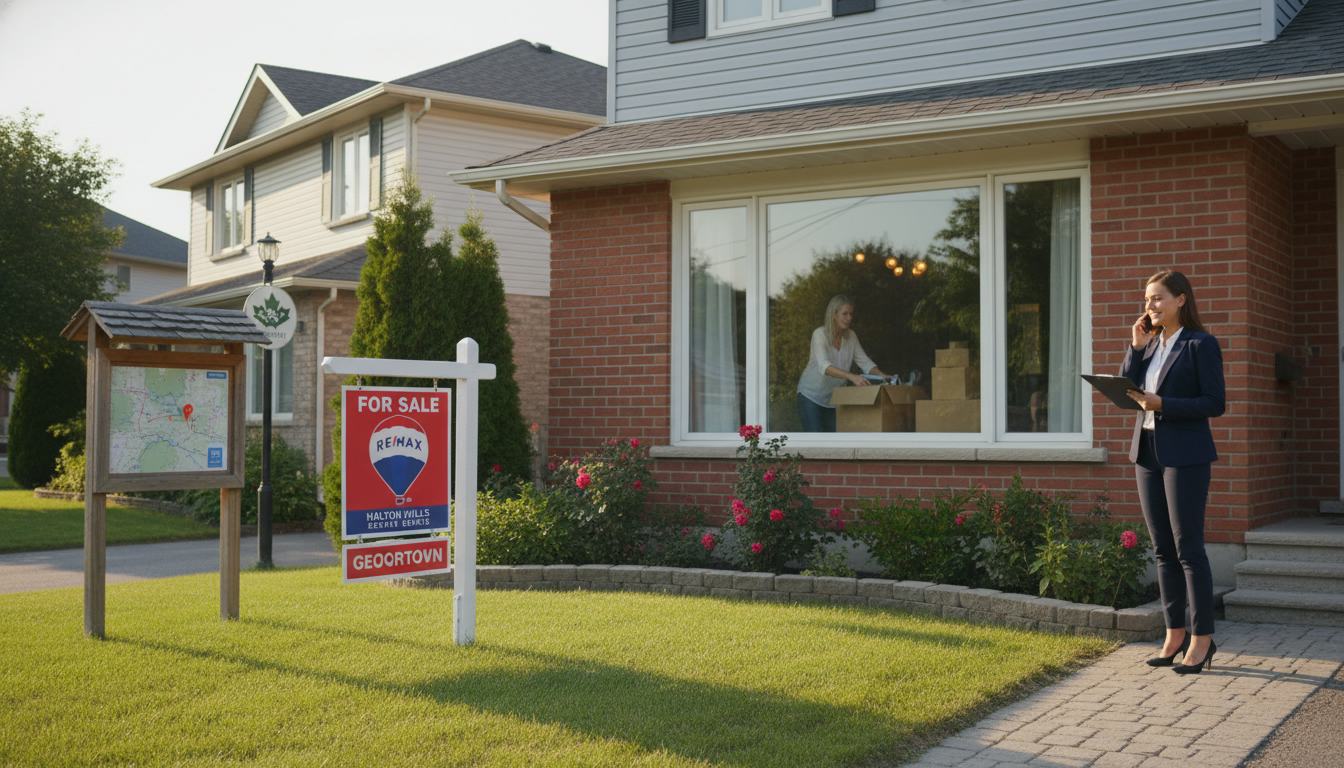
Yes. You can stay in your home while it’s listed for sale in Georgetown, ON. Most sellers do. It’s normal. But staying in the home while it’s on the market means handling showings, keeping the property market-ready, managing insurance and disclosures, and knowing local rules. Do it wrong and you slow the sale. Do it right and you get top dollar with minimal stress.
Why staying while listed is common in Georgetown, Ontario
Georgetown is part of Halton Hills. It’s a commuter town with strong buyer demand from people moving from Toronto and the GTA. That means homes sell fast. Many sellers prefer to remain in their homes until closing because they need time to move, sell first to secure a better purchase, or want a smooth transition for their family.
Here’s what that reality looks like in practice:
- Buyers expect quick access for showings. Open houses and private tours are standard.
- Houses priced right and presented well get multiple offers. You can stay but you must make access easy.
- Local buyers in Georgetown, ON value curb appeal, tidy interiors, and flexible showing windows.

Legal and regulatory basics you should know
Selling property in Ontario is regulated. Important rules that affect sellers who stay in their homes while listed:
- REBBA and RECO: Real Estate and Business Brokers Act (REBBA 2002) and the Real Estate Council of Ontario (RECO) set conduct standards. Your listing agent must follow disclosure and representation rules.
- Residential Tenancies Act (RTA): If your property is rented, the RTA applies. You must follow eviction and tenant-notice rules. You cannot list a tenant-occupied property as if it were vacant without correct disclosures.
- Purchase Agreement: The possession date is negotiated in the Agreement of Purchase and Sale. Staying past closing requires a written rent-back or occupancy agreement.
If you’re a homeowner (not a landlord) and you’re living in the house while it’s on the market, you still have to disclose material facts about the property. That means honesty about condition, renovations, or anything that affects value.
Practical steps to sell while living in the home — Georgetown edition
The market in Georgetown rewards presentation and accessibility. Follow these action steps to avoid common traps.
- Create a showing plan and commit to it
- Set clear showing windows. In busy markets, flexible hours boost offers. Consider morning and early evening windows to catch weekday and weekend buyers.
- Use a lockbox for agent access. Lockboxes increase showing volume and cut scheduling friction.
- Stage smart, not expensive
- Remove personal items. Buyers need to picture their life in the space.
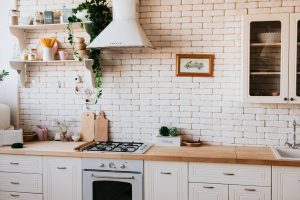
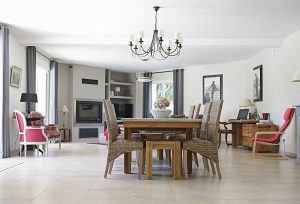
- Focus on kitchens, bathrooms, and main living areas. These rooms sell houses in Georgetown.
- Keep it clean and camera-ready
- Photos and virtual tours are the first impression. If you’re living there, tidy daily or at least before scheduled shoots.
- Clear counters, hide clutter, and ensure good natural light for photos — Georgetown homes with light-filled rooms attract more offers.
- Protect your possessions and safety
- Secure valuables and medication. With higher showing frequency, be careful.
- If pets are present, arrange temporary care during showings. Many buyers avoid homes with roaming pets.
- Communicate with your agent
- Your agent will coordinate showings and feedback. Make their life easy and they’ll make yours easier.
- Discuss pricing strategy that reflects both market conditions in Halton Hills and your need to stay until closing.
- Understand insurance and liability
- Check your homeowner insurance. Notify your insurer you have listed the property. Some policies require notification for frequent showings or open houses.
- Ask your agent about liability best practices for open houses and walk-throughs.
- Be ready for offers and possession negotiation
- Typical contracts set possession on closing day. If you need more time, add a post-closing occupancy clause (seller rent-back).
- A rent-back must specify daily rent, insurance, utilities, and access terms. This protects you and the buyer.
Special considerations for Georgetown sellers
Georgetown buyers care about commute times, school districts, and community amenities. Use these local factors to your advantage while you live in the property:
- Highlight GO Transit and highway access. If you’re near Guelph Line or Highway 7, mention it in your listing.
- Emphasize local schools and parks. Buyers relocating within Halton Hills look for quick local details.
- Time your showings around local events. Georgetown has community events and seasonal traffic. Avoid major weekends unless you want to maximize exposure.
When staying in the home hurts your sale — red flags to watch
Staying in place has costs. If you see these signs, change strategy quickly.
- Low showings and no feedback: Buyers are likely put off. Consider professional staging or a short-term declutter service.
- Offers well under asking: Either pricing is off or buyers sense limitations. Reassess your asking price or showing flexibility.
- Missed or cancelled showings: Too many “no shows” by sellers cost credibility. Prioritize access.
If you can’t commit to showings, consider renting off-market or finding temporary accommodations. Sitting tight is rarely the best option in a competitive Georgetown market.

How a top local agent will protect you while you stay
A skilled Georgetown realtor will:
- Create a precise showing schedule and enforce it.
- Advise on pricing for current Halton Hills market conditions.
- Handle negotiations for rent-back or delayed possession.
- Manage disclosures to keep you REBBA- and RECO-compliant.
This is where experience matters. An effective agent reduces stress and increases sale price. That’s measurable value.
Example: a typical rent-back clause
When a buyer wants immediate possession but you need time to move, a rent-back clause looks like this in plain language:
- Buyer closes on date X. Seller remains in the property until date Y under a short-term rental.
- Daily rent is $X per day. Security deposit is $Y held by the buyer’s lawyer.
- Seller responsible for insurance, utilities, and maintaining the property during the rent-back.
- Clear provisions for entry, repairs, and early termination.
This protects both sides and is common in tight markets like Georgetown, ON.
Bottom line: Yes — with rules and trade-offs
You can stay in your Georgetown home while it’s listed. It’s common and practical. But it requires discipline:
- Be flexible on showings.
- Keep the property clean and staged.
- Understand possession dates and rent-back options.
- Follow REBBA/RECO rules and RTA if tenants are involved.
Get these right and you sell faster and for more.
FAQ — Selling your Georgetown home while you live in it
Q: Can I refuse showings if I’m living in the house?
A: You can refuse, but it reduces buyer interest and can lower price. Use reasonable notice and limited windows. Most successful sellers in Georgetown stay flexible.
Q: Do I have to disclose anything about living in the house?
A: Yes. You must disclose material facts about the property and any conditions that affect its value. If there are tenants, you must disclose tenancy details under Ontario law.
Q: What happens on closing day if I’m still living in the house?
A: Possession usually moves to the buyer at closing unless a rent-back is negotiated. If you want to stay after closing, that must be written into the contract.
Q: How does a rent-back affect the sale price?
A: A short rent-back rarely changes price if terms are fair. Buyers often accept rent-backs if compensated with daily rent and security. Your agent should negotiate terms.
Q: Do I need special insurance while the house is listed?
A: Notify your insurer that your property is listed and will have increased foot traffic. Some policies require disclosure for commercial activity like frequent showings.
Q: What if my house is tenant-occupied in Georgetown?
A: Follow the Residential Tenancies Act (RTA). You must provide proper notice to tenants for showings, and tenancy rights cannot be ignored. Work with a local agent experienced with rental properties.
Q: Will staying in the house affect staging photos?
A: Living in the home means more prep before photo shoots. Declutter, depersonalize, and allow time for a professional photographer.
Q: Do local Georgetown bylaws affect open houses?
A: Generally, municipal bylaws don’t restrict open houses. Check local parking rules and noise bylaws if you plan large open houses or promotional events.
Q: Who enforces real estate rules in Ontario?
A: The Real Estate Council of Ontario (RECO) enforces REBBA. Your agent must act ethically and disclose material facts.
If you want straight answers about selling a home in Georgetown, contact Tony Sousa. He’s a local expert in Halton Hills and Georgetown real estate who will tell you what to expect, what to fix, and how to close clean. Email: tony@sousasells.ca | Phone: 416-477-2620 | https://www.sousasells.ca
Ready to sell smart and stay comfortable? Call or email today for a fast, realistic plan.