

Warning: Undefined variable $result in /www/wwwroot/www.sousasells.ca/wp-content/themes/oceanwp-child-theme-master/functions.php on line 464
What are the tax implications of selling a parent’s home?
Can you sell a parent’s home in Georgetown and avoid a surprise tax bill? Read this first — the tax rules will shock you if you don’t plan.
Quick answer up front
Selling a parent’s home in Georgetown, ON can trigger tax events — but not always. If the home was your parent’s principal residence up to death, most capital gain may be exempt under the Principal Residence Exemption (PRE). If not, the estate may face capital gains tax based on a deemed disposition at the parent’s date of death. Ontario estate fees (probate / Estate Administration Tax) and possible land transfer tax issues can affect net proceeds. Always confirm specifics with a tax professional and an estate lawyer before you sign anything.
Why this matters for Georgetown home sellers
Georgetown, Ontario home prices and local demand make selling an inherited home both an opportunity and a complex tax event. One wrong assumption — “no tax” or “I can transfer it for free” — can wipe out tens of thousands of dollars of value. This post gives straight talk, steps you can take now, and local considerations for Georgetown and Halton Hills sellers.
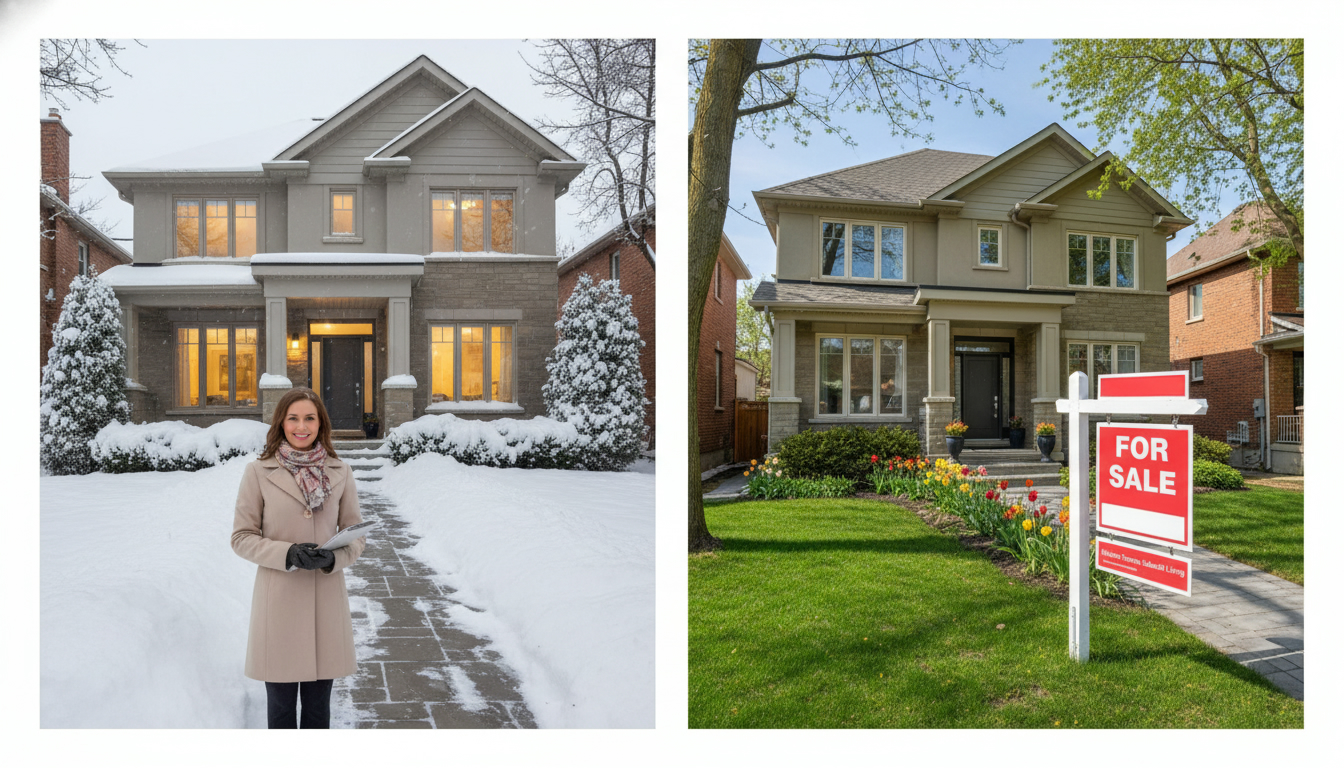
The core tax rules you must know (Canada-wide, applied to Georgetown)
-
Deemed disposition at death: When a parent dies, Canada treats many capital assets (including real estate) as if they were sold at fair market value at the date of death. That means a capital gain may arise between the purchase price (adjusted cost base) and the market value at death.
-
Principal Residence Exemption (PRE): If the home was your parent’s principal residence every year they owned it, the PRE can eliminate capital gains for those years. If they lived elsewhere, the exemption could be partial or unavailable.
-
Transfer while alive vs. inherit at death: Gifting or transferring the property to a child while the parent is alive can itself trigger a deemed disposition at fair market value (so the parent could face capital gains tax). There is no automatic rollover to children like there is sometimes for spouses.
-
Selling after inheritance: If the property is deemed disposed of at death and passed to an heir, the heir’s adjusted cost base (ACB) generally becomes the fair market value at the date of death — which usually limits future capital gains on a subsequent sale.
-
Probate / Estate Administration Tax: In Ontario, estates typically pay an administration tax (probate fees) on the value of assets passing through probate. That reduces the cash available to heirs and can delay sale proceeds.
What that looks like in practice — three common scenarios in Georgetown
1) Parent lived in the home as principal residence until death
- Result: PRE likely wipes out capital gain to the date of death.
- Heirs sell later: Because ACB steps up to market value at death, selling soon after usually creates little or no additional capital gain.
- Local impact: You still handle estate administration and selling costs: realtor commissions, legal fees, staging, and small taxes. In Georgetown’s competitive market, you can sell quickly — but plan for probate time.
2) Parent moved out years ago or rented the property
- Result: PRE likely doesn’t cover the rental/non‑principal years. A capital gain may exist from the parent’s ACB to the date of death and tax will be due on the estate.
- Heirs selling: ACB for heirs becomes FMV at death, so future sales usually won’t trigger more tax on earlier appreciation. But the estate pays tax for the appreciation up to death.
3) Parent gifted property to a child before death
- Result: The parent may have triggered a deemed disposition at the time of transfer. That could create a tax bill for the parent at the time of the gift based on FMV then. There are no simple “rollovers” to children.
Local taxes and fees to expect in Georgetown, ON
-
Estate Administration Tax (probate): Ontario charges estate administration tax on the value of the estate when the will goes through probate. This can be several hundred to several thousand dollars depending on the estate value. Factor it into net proceeds.
-
Land Transfer Tax: Usually paid by the buyer on a sale to a third party. Transfers between related parties or transfers of title out of an estate can trigger land transfer tax issues — get legal advice.
-
HST: Generally not charged on resale of used residential housing.
-
Other closing costs: Realtor commission, legal fees, closing adjustments, utility final bills, repairs, and any property clearance costs.
Steps to protect your money and minimize tax surprises (practical checklist)
-
Stop and get the facts. Don’t list until you know the tax status. Confirm whether the home was the parent’s principal residence and collect purchase documents, receipts for capital improvements, and rental records if any.
-
Get a professional appraisal or broker price opinion for the date of death. You’ll need a defensible FMV to determine deemed disposition numbers.
-
Talk to a tax accountant who knows Canadian and Ontario tax for estates. Ask about PRE, deemed disposition, and reporting requirements.
-
Consult an estate lawyer in Halton Hills to understand whether probate is required, and how long estate administration might take.
-
Price the home with local market data for Georgetown, ON. A fast sale or the right renovations can change net results.
-
Prepare the house for sale efficiently: clean, minor repairs, professional photos. In Georgetown you’ll get better net dollars if the home shows well.
-
Plan distributions after tax. If the estate pays capital gains tax, plan how that reduces what each heir receives.
How taxes are reported and paid (summary)
-
The estate files the final tax return for the deceased, reporting deemed dispositions to the date of death and paying any tax owing.
-
If the estate sells the property after death, the estate reports the sale. If the deemed disposition at death was at FMV, the estate may not owe tax on the subsequent sale (assuming no further appreciation).
-
Heirs receive cash after taxes, probate, and selling costs are paid. If you plan to keep the home in the family, there are extra steps for transferring title and determining ACB.
Real-life numbers — a simple example
Parent bought house in 1990 for $120,000. FMV at death in 2025 = $900,000. If the house was NOT the principal residence for the whole time, the estate reports a capital gain of $780,000 on the deemed disposition. Half of that (50%) is taxable as capital gains inclusion (Canada’s inclusion rate), so $390,000 is added to taxable income. At typical combined federal/provincial rates for the estate, that could mean tens of thousands in tax. If the home was the principal residence all those years, PRE could reduce that to near zero.
Common pitfalls Georgetown sellers make
- Assuming “no tax” without documentation.
- Transferring title between family members without tax advice.
- Failing to get a proper FMV at date of death.
- Waiting to sell without understanding probate timelines and costs.
Why working with a local expert matters
Georgetown’s market moves on local demand, school zones, and commuter patterns into Toronto. You need someone who knows how buyers in Halton Hills value curb appeal, layout, and upgrades. Combining local market knowledge with tax-smart planning preserves more cash in heirs’ pockets.
I’m Tony Sousa. I sell homes in Georgetown and guide families through selling inherited property. I coordinate with estate lawyers, accountants, appraisers, and contractors so you don’t make costly mistakes. If you need help pricing, staging, or timing a sale in Georgetown, email tony@sousasells.ca or call 416-477-2620. Visit https://www.sousasells.ca for client stories and local market updates.
FAQ — Selling a parent’s home in Georgetown, Ontario
Q: Who pays capital gains tax if my parent dies owning the house?
A: The estate pays tax on any capital gain realized up to the date of death. If the home was the parent’s principal residence, PRE may eliminate that tax.
Q: If I inherit the house, do I pay tax when I later sell it?
A: Usually heirs’ ACB is the FMV at the date of death. If the estate already paid tax on appreciation up to that date, selling later typically creates little extra capital gain on the earlier appreciation.
Q: Can I avoid probate and reduce estate administration tax in Ontario?
A: Some planning strategies (trusts, beneficiary designations on certain assets) can reduce probate exposure. Real property transfers are complex — talk to an estate lawyer in Halton Hills.
Q: What if my parent gifted the house to me while alive?
A: A gift to a non-arm’s-length person can trigger a deemed disposition at FMV when the gift occurred. That can create tax for the parent at that earlier date.
Q: Will I have to pay land transfer tax when title changes to my name?
A: Land transfer tax is typically a buyer liability on a sale. Transfers out of an estate or between related parties can have special rules. Get legal advice before registering title changes.
Q: How long will it take to sell an inherited home in Georgetown?
A: It depends on pricing and condition. Georgetown sees active buyer demand, so well-priced, well-presented homes can sell quickly. Probate or estate administration can delay listing.
Q: Do I need an appraisal or can I use a market listing price?
A: Use a qualified appraisal or a broker price opinion for the date of death if tax matters are involved. The Canada Revenue Agency expects defensible valuations if audited.
Q: Can the sale proceeds be split among heirs before taxes are paid?
A: The executor must pay estate debts and taxes before final distributions. Distributing proceeds prematurely can expose the executor to liability.
Final checklist before you list
- Confirm principal residence status and gather evidence.
- Get an appraisal for date of death value.
- Talk to a tax accountant about PRE, deemed disposition, and reporting.
- Hire a Halton Hills estate lawyer to confirm probate needs and timelines.
- Choose a local realtor who sells Georgetown homes for top dollar.
Selling a parent’s home in Georgetown is emotional and financial. One clear plan saves money and stress. If you want a no-nonsense review of your situation — valuation, tax pointers, and a clear sales plan — reach out: tony@sousasells.ca or 416-477-2620. No fluff. Just action.
Disclaimer: This post provides general information and is not tax or legal advice. Tax rules are complex and change over time. Consult a qualified tax professional and estate lawyer in Ontario for advice about your specific situation.