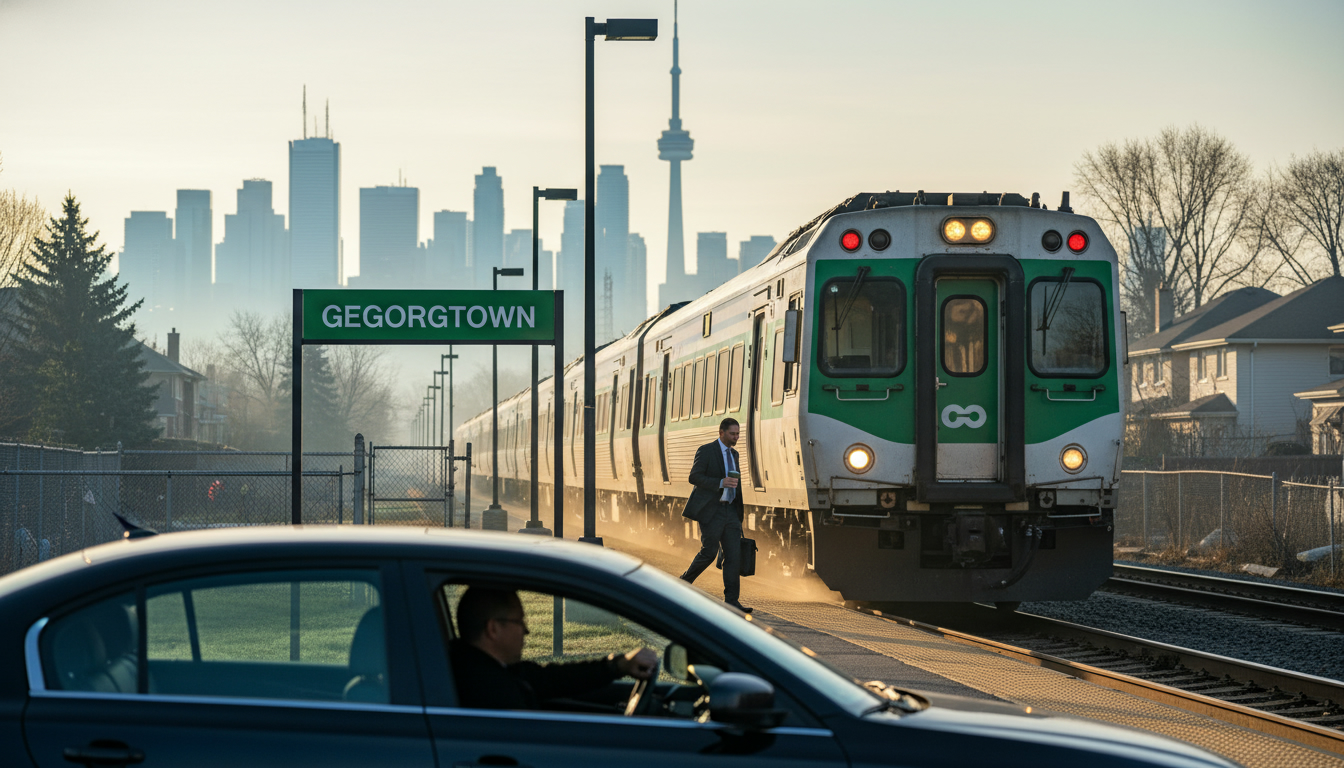
What is the average commute time in Toronto?
Shocking: What is the average commute time in Toronto — and why Georgetown sellers should care right now
Is Toronto’s Commute Killing Your Selling Price? The Real Numbers Every Georgetown Home Seller Must Know
If you’re selling a home in Georgetown, you need numbers, not hype. Here they are: the average one-way commute time in Toronto is about 30–35 minutes. Round-trip? Expect roughly 60–70 minutes a day for the typical Toronto commuter. Those are the benchmark numbers buyers use in their heads — and the ones that shape demand for Georgetown homes.
Why this matters for Georgetown sellers
- Distance changes buyer expectations. Georgetown sits 45–60 minutes from downtown Toronto depending on traffic or transit. That’s longer than the Toronto average. Buyers who commute daily weigh that time against price, space, and lifestyle.
- Buyers pay for time savings. Shorter commutes command premiums. If your property saves a commuter 10–20 minutes a day, you can justify a higher price.
- Hybrid work changed the math. With 2–3 days at home, many buyers tolerate longer commutes. That expands your buyer pool — if you market to them correctly.
Understand the real commute picture
Toronto average: 30–35 minutes one-way
This is the practical average many people reference today. It reflects a mix of transit riders, drivers, and those with hybrid schedules. Use this number as the city standard.
Georgetown commutes: what to expect
- By GO Train: Georgetown is on the GO corridor (Milton line). Typical GO commute to Union Station runs roughly 50–60 minutes one-way, depending on scheduling and transfers. Add walking or connecting transit time at each end.
- By car: Driving to downtown Toronto ranges from 45 minutes (off-peak) to 90+ minutes (rush hour) depending on Highway 401/407 traffic and route. Average peak commute often sits near 60–75 minutes one-way.
- Hybrid and local work: Many Georgetown residents work in Halton, Burlington, Mississauga, or remotely. Those commutes are shorter and attract different buyers.
What this means for pricing and marketing your Georgetown home
1) Know your buyer. Are you targeting Toronto commuters, local professionals, or remote-first buyers? Each group values different things.
- Toronto commuters want reliable transit access, parking, quick highway on-ramps, and spaces that make evening time useful (home office, mudroom, low-maintenance yard).
- Local buyers prioritize schools, shorter drives, community features and local shops.
- Remote buyers prioritize internet, quiet rooms, and lifestyle upgrades.
2) Position time, not just distance. Don’t say “close to Toronto.” Say exactly how long typical commutes are by GO and by car during peak hours. Numbers beat adjectives.
3) Sell the time you give back. If your property is near the GO station, highlight the exact train time to Toronto and frequency. If your driveway saves a commuter 10 minutes every morning, say it.
4) Stage for hybrid buyers. Build a clear, camera-ready home office. Feature fast internet, noise reduction, and a morning routine that beats a long commute.
5) Use comparisons. Show buyers how much more house they get in Georgetown versus Toronto for the same monthly commute cost in time and money. Use a simple table in your listing: monthly mortgage in Georgetown vs Toronto, plus daily commute minutes.
Tactical listing copy lines that work
- “Beat traffic 3x a week: 50–55 min GO to Union + home office-ready layout.”
- “Spend evenings with family — efficient commute options & fast internet.”
- “Save 20 minutes in the morning with direct parking and express GO access.”
How commute time affects demand and price — plain and direct
- Shorter commute = more buyers and faster sales.
- Longer commute = smaller buyer pool but often willing to pay for space and schools.
- Hybrid work = expands your buyer pool; price upside if you market remote advantages.
Proof points every seller should know
- Buyers compare commute time to monthly cost. Tell them the math: a 60-minute round-trip can cost time worth thousands a year in lost hours. Frame your price around the value your property returns in time and quality of life.
- Transit proximity sells. Properties within walking distance to a GO station or rapid bus line consistently attract commuters and sell faster.
What a seller in Georgetown should do this week
- Get commute times nailed down. Walk to the GO station, time the drive to major employment hubs during rush hour, and note transit schedules.
- Add commute numbers to your listing headline and bullets. Be specific: “Georgetown to Union: 52–58 minutes by GO (direct).”
- Stage a home office and highlight reliable internet providers and speeds. Include screenshots of speed test results in your listing if fast.
- Price to the buyer you want. If you target Toronto commuters, price to reflect commute-time savings (and emphasize transit perks). If you target remote buyers, emphasize space and lifestyle.
- Use video tours that simulate a commuter’s day: show the walk to the station, parking, morning light in the kitchen, and the home office.
Negotiation edge: time as leverage
Buyers will try to trade price for convenience. Counter by trading time-focused upgrades instead. Offer a commuter package: pre-paid month of private commuter parking, a bike locker, or a smart home setup that saves time daily. Those items cost less than a price drop and keep perceived value high.
Local data you can quote in listings
- Toronto average commute: 30–35 minutes one-way (use as city benchmark).
- Georgetown to Union by GO: typically 50–60 minutes one-way.
- Georgetown drive to downtown Toronto: 45–90 minutes depending on hour.
- Round-trip daily time difference vs Toronto average: expect 20–50 extra minutes daily for Toronto-bound commuters.
Sell the lifestyle, not the distance
Stop apologizing for distance. Sell what buyers gain: quieter streets, bigger yards, friendlier schools, lower taxes, and more living space. For commuters, sell the commute as an accepted trade-off: more space at a better price with predictable transit options.
FAQ — For Georgetown home sellers who want clear, actionable answers
Q: What is the average commute time in Toronto?
A: The average one-way commute in Toronto is about 30–35 minutes. That’s a practical city benchmark used by buyers and planners.
Q: How long does it take to commute from Georgetown to downtown Toronto?
A: By GO Train, plan on 50–60 minutes one-way to Union Station. By car, expect 45–90 minutes depending on traffic and route. Peak-hour drives frequently push above 60 minutes.
Q: Will longer commute times make my Georgetown home harder to sell?
A: Not necessarily. It depends on your buyer target. For Toronto-only commuters, longer times narrow the pool. For hybrid and local buyers, Georgetown is very attractive. Proper marketing widens your pool.
Q: How do I market to Toronto commuters specifically?
A: Highlight transit times, GO schedule frequency, parking convenience, and time-saving features in the home. Show side-by-side cost/time comparisons versus Toronto properties.
Q: Should I stage a home office?
A: Yes. A clear, quiet, high-speed internet-ready office increases appeal for hybrid and remote workers. It converts buyers who value less commuting.
Q: Can I justify a higher price because of commute savings?
A: If your home saves real commute time (e.g., walking distance to GO, private parking that shaves off minutes), you can justify a premium. Use exact numbers in your listing.
Q: What quick fixes increase appeal to commuters?
A: Fast internet, a labeled home office, premium mudroom or drop zone, and clear photos of commute routes (walk-to-train time, driveway layout) help.
Final push — how to win as a Georgetown seller right now
Georgetown has an edge: space and community near major transit. If you package commute facts, hybrid-friendly features, and a clear buyer profile, you win. Be the seller who turns commuting into a selling point.
Need help turning commute data into a sale strategy? Get exact commute times, listing headlines tailored to commuters, and staging advice that sells faster. Contact Tony Sousa — Local Georgetown Realtor — for a no-nonsense pricing plan and commuter-focused marketing.
Email: tony@sousasells.ca
Phone: 416-477-2620
Website: https://www.sousasells.ca
Act now. Price with precision. Market to time, not distance.