How do upgrades impact appraisal value?
Want to know which upgrades will actually raise your appraisal — and which ones are a money pit? Read this first.
Why this matters right now in Georgetown, ON
Georgetown and Halton Hills sit inside a tight Greater Toronto Area market. Buyers pay for location and condition. Appraisers value what comparable buyers paid recently in your neighbourhood. That means upgrades can help — but only the right ones, done correctly.
I’m Tony Sousa, a local realtor in Georgetown. I work with sellers every week who want fast sales and maximum appraised value. Here’s the direct, no-nonsense playbook that gets the highest appraisals without wasting money on upgrades that don’t move the needle.
The core rule: Appraisers follow comparables, not wishlists
Appraisers are not designers. They look at recent sales of similar homes, within the same neighbourhood and a short time window. They adjust for condition, square footage, age, and permitted work. If your upgrade is common and expected in Georgetown, it will help. If it’s exotic or expensive and out of step with nearby comps, it won’t add full dollar-for-dollar value.
Bottom line: spend where comparable buyers spend.

Which upgrades reliably increase appraisal value in Georgetown
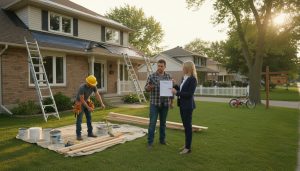
- Curb appeal and exterior repairs
- Why: Appraisers judge first impressions. A well-maintained exterior reduces perceived effective age.
- What to do: Replace missing siding/trim, clean or replace gutters, paint front door, fix driveway cracks, maintain lawn and shrubs.
- Typical ROI: High impact for low-to-moderate cost.
- Kitchen refresh (not a full custom overhaul)
- Why: Buyers expect modern, functional kitchens. Appraisers note condition and finishes.
- What to do: Replace worn cabinet doors or hardware, new quartz or laminate counters if old, modern faucet, updated backsplash, new lighting. Avoid custom high-end cabinets beyond neighbourhood standards.
- Typical ROI: Moderate-to-high when aligned with local comps.
- Bathroom updates
- Why: Function and cleanliness matter. An updated bathroom signals fewer future repairs.
- What to do: Replace dated vanities, update fixtures, regrout tile, replace old toilets, add modern lighting.
- Typical ROI: Moderate.
- Fixing structural and mechanical issues
- Why: Appraisers deduct for deferred maintenance and safety issues. Replacing an old furnace, repairing the roof, or fixing foundation cracks can prevent large negative adjustments.
- What to do: Prioritize permitted and inspected fixes with receipts and warranties.
- Typical ROI: Very high — prevents value loss.
- Insulation, windows, and energy upgrades with documentation
- Why: Energy efficiency is valued, and documentation helps appraisers apply adjustments.
- What to do: Replace seriously drafty windows, add insulation, install a high-efficiency furnace or hot water tank. Provide receipts and energy ratings.
- Typical ROI: Moderate, growing over time with buyer demand.
- Legal and permitted basement updates that increase livable square footage
- Why: Square footage and legal bedrooms are huge value drivers in Georgetown.
- What to do: Ensure permits, use proper egress, and document everything. A legal bedroom and added living area will typically add value in appraised terms.
- Typical ROI: High when properly legalized and documented.
Upgrades that rarely change appraisal value (don’t start here)
- High-end bespoke finishes that out-price neighbourhood comps (custom marble countertops when nearby homes have quartz)
- Pools (usually no direct appraisal boost and can complicate insurance)
- Luxury landscaping beyond the neighbourhood norm
- Non-permitted additions or conversions — these often reduce appraisal value
If you’re tempted to overspend on luxury, remember: the appraiser matches to the market, not your taste.
How inspections affect appraisal outcomes (and what sellers must do)
- Pre-listing home inspection is powerful. It lets you fix problems before the buyer’s inspection triggers renegotiation or a low appraisal.
- Appraisers review inspection reports and use them to assess condition. If you present receipts and repair permits, appraisers can apply positive adjustments.
- Common inspection red flags in Georgetown: older roofs, deferred basement waterproofing, furnace nearing end-of-life, electrical panel issues in older homes.
Action step: Book a pre-listing inspection. Fix high-impact issues and collect receipts and permits.
How to present upgrades to the appraiser — documentation wins value
Appraisers don’t assume upgrades; you must show them. Bring:
- Receipts and invoices for materials and labour
- Building permits and final inspection certificates
- Warranties for mechanical systems and windows
- Comparable sales that feature similar upgrades (if you can find them)
Create a one-page summary for the appraiser that lists upgrades, dates, costs, permits, and warranties. Clear documentation reduces guesswork and avoids negative adjustments.

Pricing strategy: don’t overcompensate with cosmetic fixes alone
If your local comps show buyers paying for mid-range kitchens, a skinny paint job won’t justify a higher asking price or appraisal. Price against comparables and use smart upgrades to close the gap. Overpricing based on speculative upgrades invites appraisal shortfalls and financing headaches.
Pricing playbook:
- Step 1: Pull 3–5 recent sold comparables in your immediate neighbourhood (same street if possible).
- Step 2: Note condition differences and list upgrades you completed with costs and receipts.
- Step 3: Adjust asking price to reflect real, comparable increases, not your renovation budget.
I’ll do this step with you — I know Georgetown comps down to street-level buyers.
Quick ROI guide for Georgetown sellers (prioritize in this order)
- Fix safety/structural/mechanical issues (roof, furnace, wiring)
- Legalize living space (permits for basement bedrooms)
- Kitchen refresh (mid-range)
- Bathroom updates
- Windows/insulation if the home is old and drafty
- Curb appeal improvements
Do these in order. Fixing safety issues prevents appraisal penalties. Legalizing space usually produces measurable appraisal increases.
Real example (what I see in Georgetown)
A 1970s bungalow in Georgetown had an unpermitted basement suite and a dated kitchen. Owner spent $25,000 to renovate the basement legally (permits, egress window, proper insulation) and $10,000 on a kitchen refresh. After documentation and permits, the appraised value rose by an amount consistent with recent legal-suite comps — enough to cover the renovation and increase sale proceeds.
When the same seller had skipped permits, the appraiser discounted the basement square footage and the appraisal was lower. The difference was simple: documentation and permit history.
What to do in the last 30 days before listing
- Get a pre-listing inspection.
- Complete high-impact fixes and gather receipts.
- Order a CMA (comparative market analysis) with documented comps that reflect similar upgrades.
- Create an appraiser packet with receipts, permits, warranties, and before/after photos.
- Clean, declutter, and stage core rooms (kitchen, main bath, master bedroom).
This sequence maximizes the chance the appraiser sees value and supports your asking price.

How I help sellers in Georgetown, ON
I provide a reality-driven plan: which upgrades to do, which to skip, and how to document them. I’ll pull the exact comps appraisers use, advise on permits, and deliver the one-page upgrade summary that appraisers read.
If you want targeted advice on a specific property, contact me at tony@sousasells.ca or call 416-477-2620. I’ll walk you through the upgrades that will increase your appraisal — not your stress.
FAQ — Common seller questions about inspections, appraisals, and upgrades in Georgetown
Q: Will a kitchen renovation always increase appraisal value?
A: No. A kitchen refresh aligned with neighbourhood standards usually helps. An ultra-high-end renovation that outpaces local comps will not produce full dollar-for-dollar appraisal value.
Q: Do appraisers care about permits?
A: Yes. Permits and final inspections prove legality and quality. Non-permitted work often receives zero value for added square footage.
Q: Should I get a pre-listing inspection?
A: Yes. It identifies high-impact fixes you should complete before listing. It reduces surprises during buyer inspections and appraisals.
Q: How much value does an extra legal bedroom add in Georgetown?
A: Legal bedrooms add value because they increase livable square footage. The uplift depends on recent comps for legal bedrooms in your neighbourhood. Documentation matters.
Q: Will new windows pay off?
A: New windows improve energy efficiency and curb appeal. They pay off better if the house has very old, drafty windows and buyers in your area expect upgrades.
Q: What if my appraised value comes in low?
A: First, compare the appraiser’s comps with your own. If there’s a clear mismatch, gather documentation showing comparable homes with similar upgrades and request a reconsideration of value through the lender or appraiser.
Q: Do pools help appraisal value in Georgetown?
A: Typically no. Pools may have limited or negative appraisal impact depending on neighbourhood norms and maintenance concerns.
Q: How do I find comparable sales that include upgrades?
A: Work with a local realtor who has access to MLS. We pull sold listings, look at photos and feature lists, and identify true apples-to-apples comparisons.
Final straight talk
Spend smart. Fix what threatens value. Legalize what increases square footage. Update kitchens and baths to meet neighbourhood expectations — not to create a showroom for a higher-class area. Document everything.
If you want a free, property-specific strategy for upgrades and appraisal impact in Georgetown, contact me at tony@sousasells.ca or 416-477-2620. I’ll show you what will raise your appraisal and what will waste your money.
Listing help, upgrade planning, and local comps — all focused on one goal: the highest clean appraisal and a fast sale in Georgetown, ON.