Can upgrades increase my asking price?
Can upgrades increase my asking price? — The short, blunt answer: yes — but only if you upgrade the right things, for the right buyers, at the right price.
Why this matters in Georgetown, ON
Georgetown (Halton Hills) is a commuter-friendly, family-focused market. Buyers here want turnkey homes close to good schools, transit (Georgetown GO), parks, and commute routes to Toronto. Over the last few years the market shifted from fever-pitch bidding wars to a more selective, quality-driven environment. That means buyers are now willing to pay a premium for properties that feel move-in ready and worth the price.
But upgrades don’t automatically translate to a higher asking price. A poorly chosen remodel can cost more than it returns. The decision to upgrade must be surgical and strategic.
Quick data-driven reality check
- Local market trend: Inventory in Halton Region has been tighter than many GTA suburbs, which supports pricing power for well-presented homes.
- Buyer profile: Mostly families and commuters who value functionality, low maintenance, and curb appeal.
- Pricing truth: Homes that show well and are competitively priced still sell faster and often for more than similar homes that require work.
(If you want specific comps and neighborhood-level numbers for your street, request a free Comparative Market Analysis — it’s the only way to know how much each upgrade is likely to move the needle for YOUR property.)

Upgrades that actually move the asking price — prioritized
Use a triage approach: impact, cost, speed.
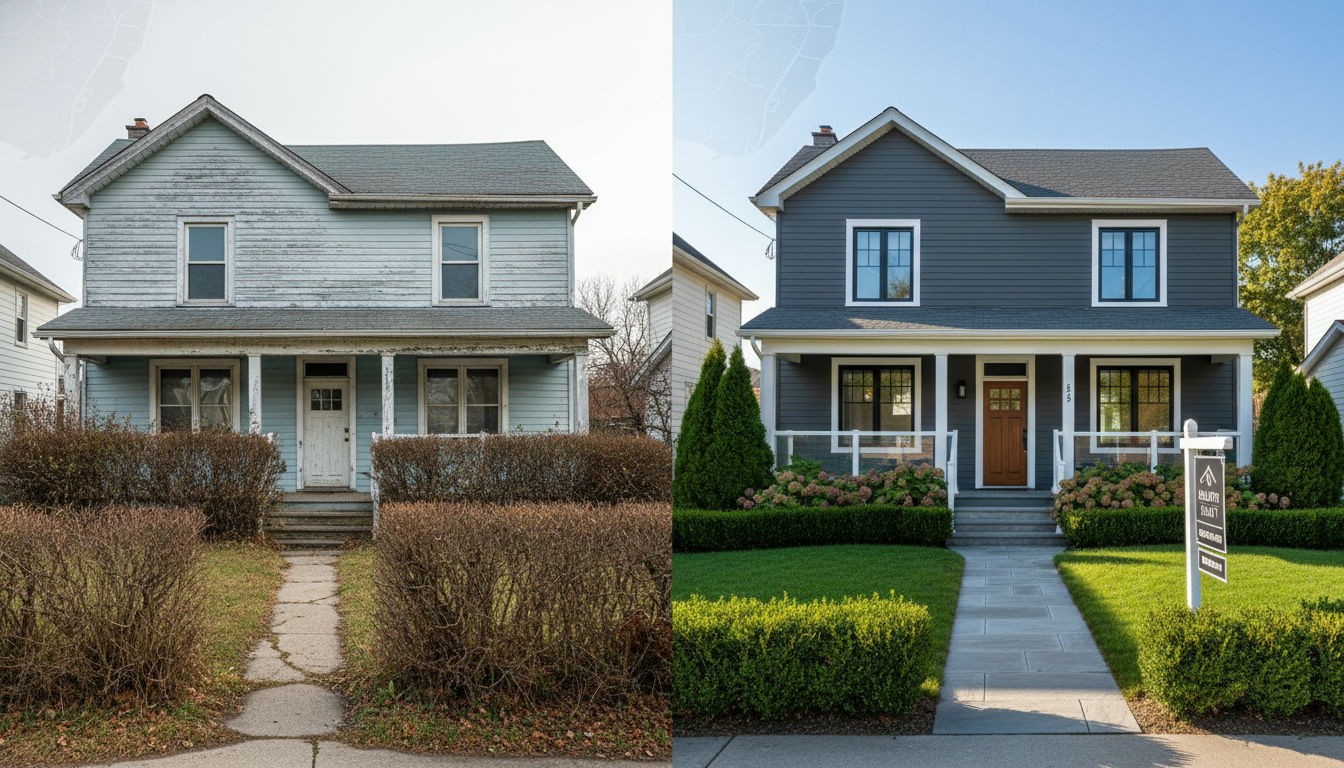
1) Curb appeal (highest near-term impact)
- Cost: Low to medium. Fresh paint, trimmed hedges, new mailbox, pressure washing, potted plants.
- Why it works: Buyers decide in 7–15 seconds whether the home feels cared for. First impressions justify higher asking price and better offers.
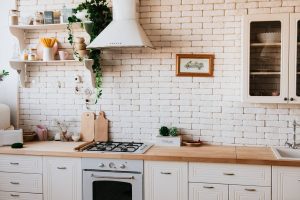
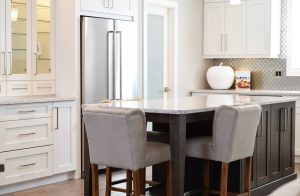
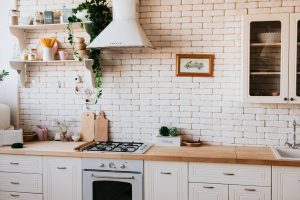
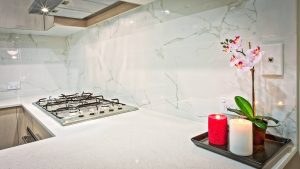
2) Kitchen refresh (high ROI when done right)
- Cost: Medium. Paint cabinetry, new hardware, refreshed backsplash, new faucet, modern light fixtures. Full gut can be high-cost and over-improve for neighborhood.
- Why it works: Kitchens sell. A refreshed, clean, modern kitchen increases perceived value and shows the house is cared for.
3) Bathroom updates (high ROI)
- Cost: Low to medium. New vanity, fresh grout, modern mirror/lighting, efficient toilet.
- Why it works: Bathrooms signal maintenance. Small updates create a clean, updated feel.
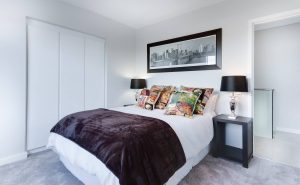
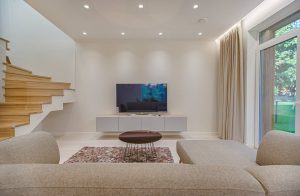
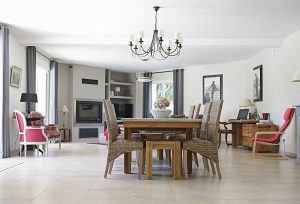
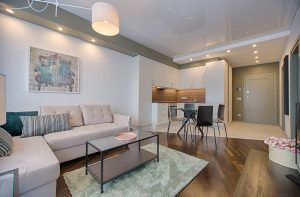
4) Paint and flooring (guaranteed uplift)
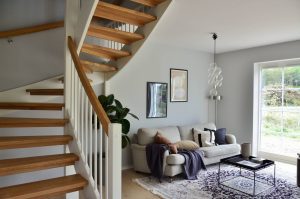
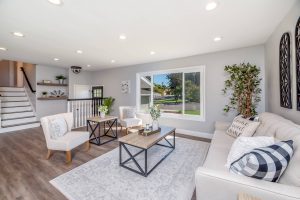
- Cost: Low. Neutral paint, updated laminate or engineered hardwood in main areas.
- Why it works: Replaces dated finishes. Clean lines, neutral palette help buyers visualize their furniture.
5) Finishing or upgrading the basement (situational)
- Cost: Medium to high. ROI high if legal bedroom or family area is added in a market with demand for extra living space.
- Why it works: Adds usable square footage. Families pay for functional space.
6) Energy and systems (long-term seller appeal)
- Cost: Medium to high. New furnace, high-efficiency windows, heat pump, upgraded insulation.
- Why it works: Reduces operating costs and appeals to eco-conscious buyers. Mentioning energy upgrades in the listing can justify a higher asking price.
7) Smart home and lighting (low cost, high perceived value)
- Cost: Low. Smart thermostat, new LED lighting, smart locks.
- Why it works: Modern features increase perceived value for tech-minded buyers.
Upgrades to avoid before listing
- Over-personalized or luxury-heavy custom work that exceeds neighborhood norms (high risk of not recovering cost).
- Major structural additions unless comparable homes in your block have similar finished sizes.
- Exotic finishes (e.g., ultra-high-end tiles) that push buyers out of the typical price bracket for the street.
Bottom line: don’t be the highest-value home in a low-value neighborhood. Instead, aim to be the best-presented home in your price band.
Pricing strategy that turns upgrades into higher sale prices
1) Pre-list CMA: Get neighborhood comps before spending. Know what buyers are paying for in your street.
2) Smart scope: Choose upgrades that move your home into the next pricing band without exceeding comparable upper limits.
3) Market the upgrades: Listings must call out the improvements (e.g., “New kitchen counters 2024, energy-efficient windows 2023, freshly painted, professionally landscaped front yard”).
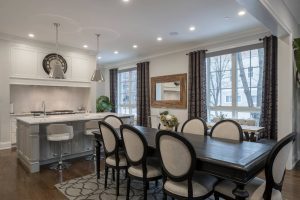
4) Stage and photograph: Professional staging and photos multiply the value of your upgrades. Online first impressions set offer levels.
5) Pricing psychology: Consider a slightly aggressive asking price with a clearly superior presentation. In low-inventory markets, perceived value plus competitive pricing creates urgency.
How much will upgrades increase your asking price? (realistic ranges)
Estimating ROI depends on property type, neighborhood, and quality of work. Use these industry-based guideline ranges for planning:
- Curb appeal & paint: 2–5% uplift in perceived value.
- Kitchen refresh (not full gut): 3–8% uplift.
- Bathroom refresh: 2–6% uplift.
- Finished basement: 5–10% uplift if legal, well-finished, and in-demand.
- Energy upgrades: 1–4% uplift but often a strong tiebreaker for discerning buyers.
These are directional. A $600k home that gets the right kitchen, bathroom refresh, and curb appeal could realistically see $20k–$40k more in offers. But a $1.5M home in a low-tier street may not see the same percentage returns.

Timing and budget: a seller’s checklist
- Get a CMA. Don’t guess.
- Prioritize low-cost, high-visual-impact work first (paint, declutter, staging, landscaping).
- Set a hard max renovation budget tied to expected return (e.g., don’t spend more than 50% of expected increase).
- Use licensed trades for permits and safety. Unpermitted work can kill buyer trust and lower net proceeds.
Negotiation and inspection: how upgrades affect leverage
- Full transparency about upgrades (permits, receipts) prevents renegotiation pressure after inspection.
- Provide warranties when possible (appliances, systems). Buyers pay more for confidence.
- If you’ve upgraded high-impact items, list them prominently. Buyers will internalize the reduced immediate cost and life expectancy of systems.
Real examples (anonymized, typical outcomes)
- Example A: Minor kitchen refresh + staging + landscaping. Result: Sold in 7 days, 6% above asking in a low-inventory week.
- Example B: Full addition with high-end finishes in a mid-value street. Result: Longer time on market and price pulled back 3% — over-improvement for area.
These examples underline the principle: upgrades must align with neighborhood and buyer expectations.
Action plan for Georgetown sellers (30-day sprint)
Day 1–3: Request a CMA. Decide price band to target.
Day 4–10: Implement high-impact, low-cost improvements (paint, clean, landscaping, minor kitchen/bath refresh).
Day 11–18: Stage and professional photos. Draft listing copy highlighting upgrades and neighborhood benefits (schools, transit, parks).
Day 19–30: List with a strategic pricing plan. Host targeted open houses for commuter and family buyers.

Why working with a local pricing specialist matters
Georgetown is nuanced: street-level comps, school catchments, and commuting routes change buyer demand. A local pricing expert maps upgrades to actual market movement — not theory. They’ll tell you which improvements push you into the next price bracket and which are wasted spend.
If you want precise numbers for your address, get a tailored Comparative Market Analysis. It tells you exactly what upgrades will move the needle and how much to invest.
FAQ — Pricing, upgrades, and market value in Georgetown
Q: Will a full kitchen renovation always increase my asking price?
A: No. A full gut kitchen can increase perceived value, but cost recovery depends on your neighborhood and price band. Often a high-quality refresh captures most of the return at a fraction of the cost.
Q: How long before listing should I complete upgrades?
A: Complete high-impact, visible upgrades 1–3 weeks before listing to keep the home fresh for photos and showings. Larger projects should finish at least 2–4 weeks before hitting the market.
Q: Do I need permits for renovations?
A: Yes for many structural, electrical, plumbing, or significant changes. Unpermitted work can reduce buyer confidence and complicate closing.
Q: Will staging actually raise my sale price?
A: Yes. Staging often shortens time on market and can increase offers because buyers visualize living there. It multiplies the value of smart upgrades.
Q: Should I disclose minor defects if I upgraded other items?
A: Always disclose material issues. Transparency avoids post-inspection renegotiations and delays.
Q: How do I know which upgrades are right for my neighborhood?
A: Request a CMA and target the most common finishes and square footage within your block. The goal: match or slightly exceed neighborhood standards without overbuilding.
Q: Are energy upgrades sellable in Georgetown?
A: Absolutely. Energy-efficient heating, new windows, and smart thermostats appeal to many buyers and can be a tiebreaker.
Q: If inventory rises, do upgrades still matter?
A: Yes. In a buyer’s market, upgrades and stellar presentation differentiate your property and can protect price.
If you want a no-fluff, specific plan for your house — a written CMA, prioritized upgrade list, and a projected net sale price after costs — contact Tony Sousa for a local market strategy tailored to your street. Email: tony@sousasells.ca | Phone: 416-477-2620 | https://www.sousasells.ca
Key takeaways
- Upgrades can increase your asking price — but only when they match buyer expectations and neighborhood comps.
- Prioritize curb appeal, kitchen/bath refreshes, paint, and staging.
- Get a CMA first, set a strict renovation budget, and market the upgrades clearly.
Make the upgrades that pay. Avoid the ones that don’t. Get the numbers before you spend.