What’s a property disclosure statement?
Don’t sign anything in Milton until you read this: What’s a property disclosure statement?
Quick answer you can use today
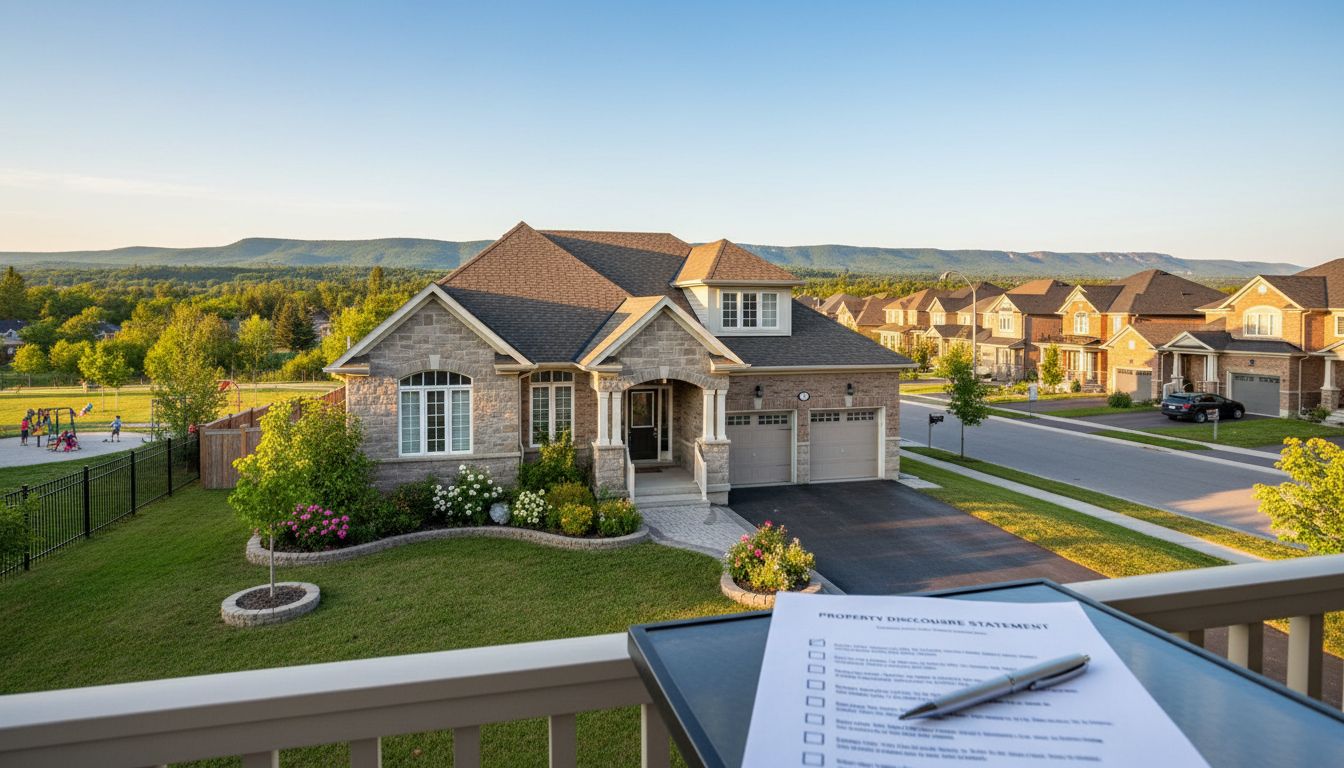
A property disclosure statement (PDS) is a written form where the seller lists what they know about the home’s condition, history, and legal issues. It flags known defects and past repairs. In Milton, ON, a PDS is your frontline tool to spot flooding risks, grading problems, unpermitted renovations, and other local issues that can sink a sale or cost you tens of thousands later.
What a property disclosure statement actually is
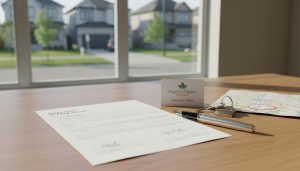
A property disclosure statement is a document completed by the seller that answers specific questions about the property. It covers things like structural problems, water damage, pest infestations, renovations, utility issues, and legal constraints.
In Ontario, sellers aren’t forced into a single, government-mandated form. But sellers who give false answers can face legal consequences. That means a PDS is not just paperwork. It’s evidence. Honest PDS answers protect both buyer and seller. Dishonest answers create legal exposure.

Why the PDS matters especially in Milton, Ontario
Milton has unique real estate realities. The Niagara Escarpment, varying lot slopes, old quarry sites nearby, fast new development zones, and older downtown stock all create predictable risks. A PDS points to those risks early.
Key Milton risks the PDS helps reveal:
- Basement and grading issues: Older Milton homes and some new infill lots can have poor grading or past basement flooding. Sellers should disclose sump pump history and past water problems.
- Niagara Escarpment & conservation rules: Properties near the escarpment may have restrictions or approvals required. A PDS flags legal constraints.
- Renovations and permits: Many Milton homes show upgrades. The PDS should state whether permits were pulled for major trades. Unpermitted work can stall closings.
- Tarion and new build exceptions: New homes carry Tarion warranties. A PDS still matters for buyer disclosures about changes and known issues.
- Soil, drainage, and tree root damage: Mature lots in Milton can have tree-related issues that affect foundation or sewer lines.
- Insurance claims and prior damage: Past claims (fire, water) affect insurability and resale value.
If you’re buying or selling in Milton, the PDS is a local roadmap. Ignore it and you pay later.
What the PDS usually contains (expect these sections)
- Basic property info: age, type, style.
- Structural condition: foundation cracks, previous repairs, structural reports.
- Water intrusion: history of leaks, basement flooding, sump pump details.
- Mechanical systems: age and condition of furnace, A/C, hot water tank, electrical panel.
- Renovations and permits: dates, contractors, whether permits were obtained.
- Environmental or legal issues: asbestos, oil tanks, easements, municipal orders.
- Pest or insect problems: active or treated.
- Boundary and survey issues: encroachments or missing surveys.
A complete PDS is clear and specific. Vague answers like “possibly” or “unknown” are red flags.
The legal reality in Ontario — be precise, not paranoid
Ontario law does not require a single PDS form for every home sale. But the law does prohibit fraudulent misrepresentation and requires disclosure of known latent defects. That means:
- Sellers who know about a hidden issue and do not disclose it can be sued after closing.
- Honest, detailed PDS responses reduce legal risk for the seller and help the buyer make an informed decision.
- Buyers cannot rely solely on the PDS. Independent inspections and due diligence are mandatory.
If you want legal certainty, consult a real estate lawyer. Use the PDS as practical evidence in negotiations and potential disputes.
How a local Milton realtor uses the PDS to protect buyers and sellers
I position the PDS as a strategic tool.
For buyers:
- I review the PDS line-by-line for red flags tied to Milton’s common problems.
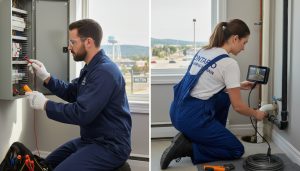
- I recommend a targeted inspection checklist based on PDS answers (e.g., sewer camera, grading evaluation, conservation authority search).
- I use the PDS to build negotiation points or ask for credits, repairs, or a price adjustment.
For sellers:
- I help fill the PDS accurately, gather backup documents, and suggest proactive inspections when needed.
- I explain how disclosure can increase buyer confidence and speed closing.
- I map problems to solutions: repair, disclose and price, or offer an inspection report to remove doubt.
This approach cuts surprises and speeds transactions in Milton’s competitive market.
Step-by-step for buyers in Milton — exact actions to take
- Ask for the PDS early. Don’t wait until conditions or deposit day.
- Read it thoroughly. Highlight anything mentioning water, basements, permits, and legal restrictions.
- Order a home inspection. If the PDS mentions sewer or drainage issues, get a sewer camera and grading assessment.
- Check municipal records: Building permits, conservation authority restrictions (especially near the escarpment), and property tax history.
- Ask specific follow-up questions in writing. Get clarifications and copies of receipts or repair invoices.
- Use the PDS to negotiate: price reduction, seller-paid repairs, or a holdback into trust until issues are resolved.
- Verify final agreements with your lawyer before closing.
Do these steps and you reduce risk and control outcomes.
What sellers in Milton must do — honest, strategic disclosure
- Complete the PDS honestly and thoroughly. Vagueness invites later disputes.
- Collect documents: permits, warranties, invoices, septic records, sump pump installation details, and previous inspection reports.
- Consider a pre-listing inspection for major items. This converts problems into selling points or transparent negotiation items.
- If you address issues, keep receipts and warranties to show buyers.
- Work with a local realtor who knows Milton’s red flags and can position the PDS as an asset, not a liability.
Honest disclosure sells faster and lowers legal risk.
Common PDS red flags in Milton — watch these closely
- “Basement has had previous flooding” with no details.
- “Renovations completed” without permits or contractor info.
- “Unknown” answers on questions about septic, oil tanks, or easements.
- Multiple insurance claims on the property history.
- Recent major repairs with no documentation.
If you see these, get proof. Don’t rely on verbal assurances.
Simple PDS checklist you can copy
- Sump pump: installation date, battery backup, last service.
- Basement: list of past floods, repairs, and contractor details.
- Permits: list for all structural or electrical work.
- Roof: age, leaks, and replacement receipts.
- Mechanical: furnace, A/C, hot water tank ages and service records.
- Environmental: oil tanks, mold, asbestos, etc.
- Legal: easements, liens, municipal orders, conservation restrictions.
Print this and use it at showings and inspections.

Bottom line — what this means for Milton buyers and sellers
A property disclosure statement is more than a form. In Milton, it’s the local truth-teller. Use it to spot neighborhood-specific problems, to bargain smart, and to avoid costly surprises.
Don’t sign blind. Get the PDS, verify it, and use a knowledgeable local agent who understands Milton’s geography, the Niagara Escarpment rules, and the common issues that affect value.
If you want a straight, practical review of a PDS or a pre-listing strategy for a Milton home, contact Tony Sousa. He knows Milton market risks, how to read a PDS, and how to turn disclosure into negotiation power.
Contact Tony Sousa: tony@sousasells.ca | 416-477-2620 | https://www.sousasells.ca
FAQ — Property Disclosure Statements and Milton, ON
Q: Is a property disclosure statement required in Ontario?
A: No single standardized PDS is legally required across Ontario, but sellers must not misrepresent known defects. A PDS is strongly recommended. It documents seller knowledge and reduces post-closing disputes.
Q: Can a seller be sued for a false PDS in Milton?
A: Yes. If a seller knowingly provides false information about a latent defect, a buyer can pursue legal remedies after closing. That risk makes honest disclosure critical.
Q: If the PDS says “no” for flooding but the buyer finds water later, who pays?
A: Outcomes depend on whether the seller knew about the flooding and whether it was a latent defect. If the seller knew and didn’t disclose, the buyer may have recourse. Buyers should get inspections and keep communications documented.
Q: Should buyers rely only on the PDS?
A: No. The PDS is a starting point. Always get a professional home inspection, review municipal records, and consult a lawyer for contract terms.
Q: What local Milton checks should I do beyond the PDS?
A: Check conservation authority maps for escarpment or floodplain restrictions, request building permit history from the Town of Milton, review property tax and insurance claim history, and consider a sewer camera if the PDS mentions drainage issues.
Q: Do new homes in Milton need a PDS?
A: New homes are covered by Tarion warranties, but sellers should still provide clear disclosure about any known issues or modifications. Buyers should review Tarion documentation.
Q: Can a buyer cancel an agreement based on PDS issues?
A: It depends on the purchase agreement and conditions. Use inspection clauses and negotiate remedies. Consult your lawyer for contract-specific advice.
Q: How does disclosure affect resale value in Milton?
A: Transparent disclosure can actually improve sale speed and buyer confidence. Unresolved or undisclosed issues discovered later can reduce value or create legal exposure.
Q: Where can I get help reviewing a PDS in Milton?
A: Contact an experienced Milton real estate agent and a real estate lawyer. For a practical, local review, reach out to Tony Sousa: tony@sousasells.ca | 416-477-2620.